
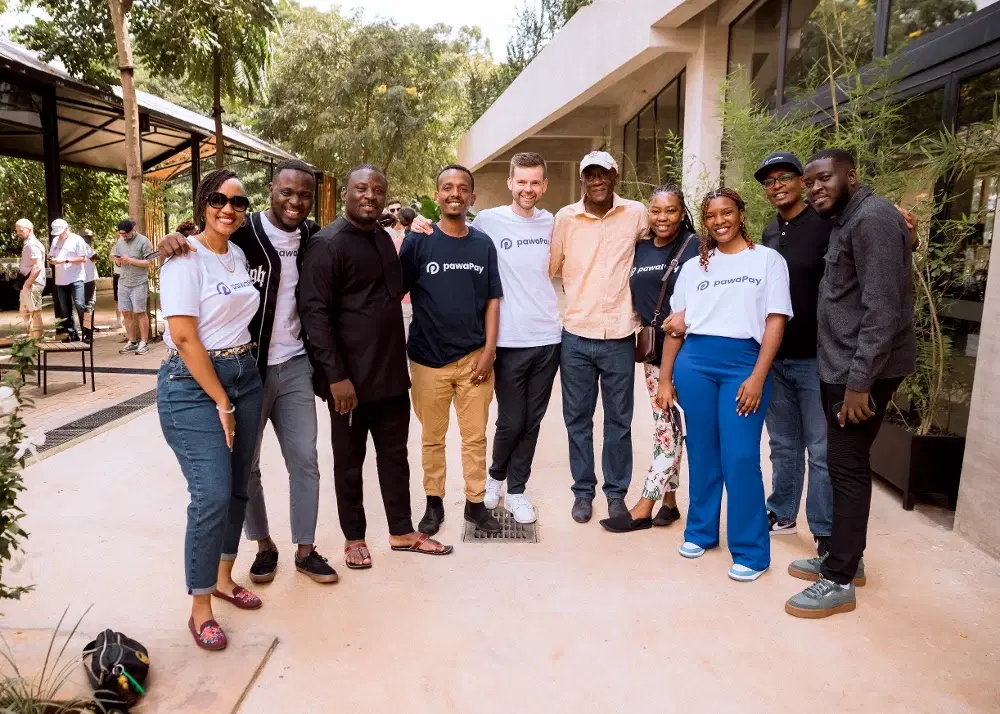
We sat down with Aaron Markowitz Schulman, CFO of PowerPay, to explore the explosive growth and key innovations in mobile money, a technology that’s
transforming commerce on the continent
?Why Is Mobile Money Such a Big Deal in Africa
While the West may take credit for apps like Venmo and Zelle, Africa beat them to the punch. As Aaron Markowitz Schulman points out, Mobile Money platforms like
M-Pesa in Kenya provided digital payment solutions nearly a decade before similar products emerged in the US. Unlike conventional banking or credit cards, which never reached much of the population, mobile money leapfrogged barriers, offering security, instant transfers, and accessibility to millions who were previously
unbanked
PawaPay: Connecting a Continent
PawaPay has positioned itself as one of the continent’s largest payment companies, serving businesses in 20 African countries. The key? A single API giving merchants access to roughly a billion wallets by integrating directly with about 50 mobile networks and banking partners. Through this interface, companies can easily collect and distribute funds, simplifying the complexities of cross-border transactions and currency conversions for local and international business
As Aaron Markowitz Schulman explains, the focus has always been clear: double down on mobile money, because that’s where the digital payments growth is
accelerating fastest
From Everyday Payments to Business Expansion
The real test of any payment solution is whether it makes life easier for its users. Ride-hailing platforms, for example, rely on PawaPay for reliable, instant payments, whether it’s a rider paying for a trip or a driver collecting daily earnings. The reliability, speed and support PawaPay offers have made them a trusted partner for multinational and local merchants alike. One particularly compelling story highlighted in the episode: a client in West Africa saw its recurring digital payments jump from 40% to over 70% after switching to PowerPay’s API, with customer renewal rates climbing toward 90%
Staying Local, Thinking Global
Operating in Africa’s diverse regulatory environment brings its own set of challenges. But as Aaron Markowitz Schulman explains, local presence is crucial; You really need to have an understanding of local markets, you need to have networks, you need to have relationships. This hands-on approach helps PawaPay adapt to the intricacies of 20 different countries, each with its own rules, mobile money providers and banking infrastructure
The Future: Web3, Stablecoins, and Beyond
What’s next for PawaPay and African payments? They are already integrating digital assets and stablecoins into its settlement flow, paving the way for a future where cross-border payments are easier, faster and frictionless